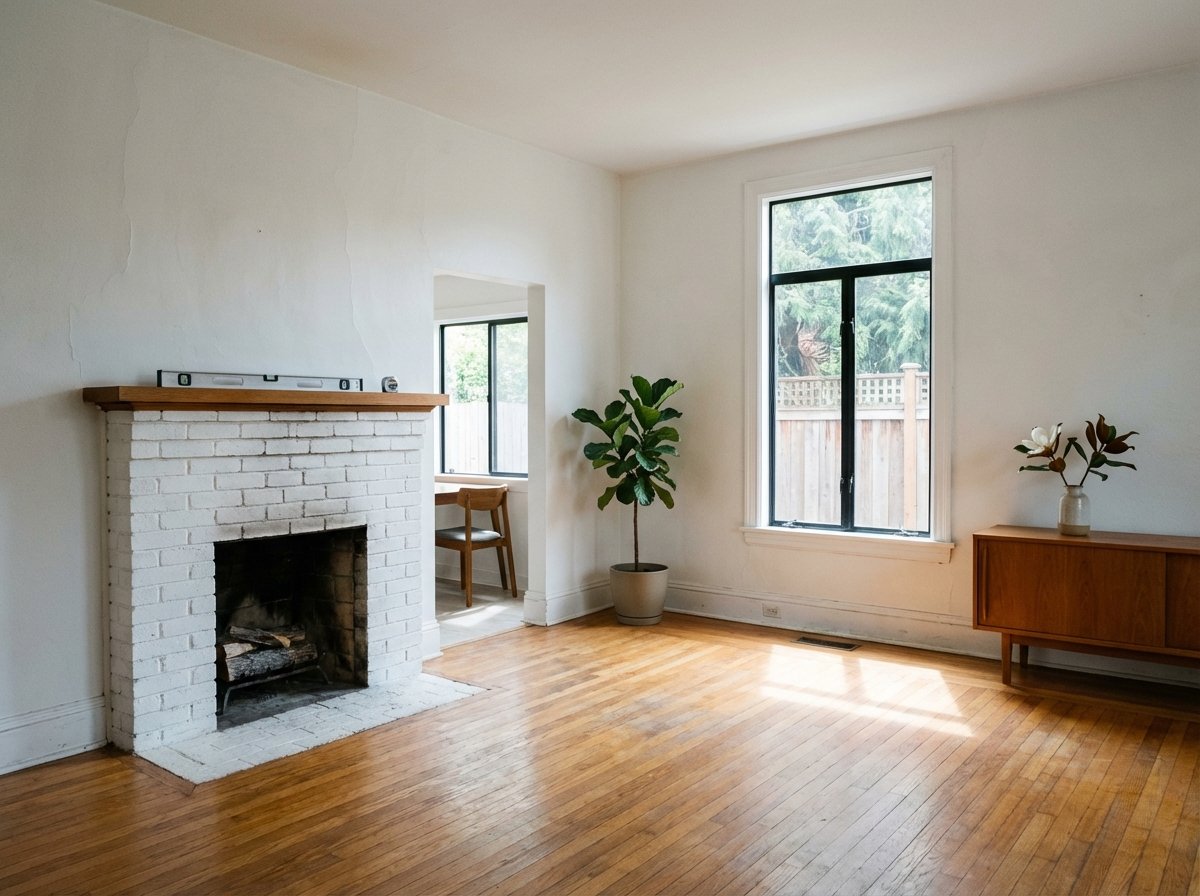
Smart Tips for Buying a Fayetteville Fixer Upper
February 19, 2026
February 19, 2026
Love the charm of original hardwoods and tree‑lined streets, but nervous about what you can’t see behind the walls? In Fayetteville, older homes can be incredible finds when you know how to separate good bones from big risks. With the right inspections, a smart renovation plan, and an eye on local rules, you can buy with confidence and create a home that fits your style.
This guide walks you through what “older home” means in Fayetteville, how to spot structural and moisture issues, which updates add the most value, and how permits and historic districts affect your plans. You will leave with a clear checklist and next steps. Let’s dive in.
Fayetteville has a true mix of housing ages. You will find historic neighborhoods near the Square and the University, alongside large pockets of homes built from the 1990s to today. The city also recognizes several National Register historic districts, such as Washington–Willow, Mount Nord, Wilson Park, and West Dickson Street. These areas have local guidance for exterior changes through the Historic District Commission. Review the city’s program page for district maps, design guidance, and when a Certificate of Appropriateness may be required before exterior work. You can start with the city’s overview of Historic Preservation.
If you want a quick sense of age mix across the city, look at housing‑age snapshots that show a meaningful share of homes built before 1980. Local listings and parcel records will confirm the year built and hint at likely construction methods. A city breakdown is summarized here: Fayetteville housing year data.
Prioritize the foundation, roof and envelope, drainage, and major systems. If these are solid, you can focus on kitchen, bath, and finish updates with more predictable budgets.
Fayetteville sits where limestone and karst features occur, which means complex drainage and occasional sinkholes can affect certain sites. Hillsides or bluff locations may rely on engineered foundations and retaining walls. If you notice step cracks, doors that do not square up, or persistent dampness, bring in a structural or geotechnical evaluation early. For regional context, see the USGS discussion of karst and local geology in the area: USGS Karst Interest Group.
Northwest Arkansas sees consistent precipitation through the year, so gutters, grading, flashing, and ventilation matter. A roof that is near the end of its typical asphalt shingle life is a near‑term expense and should be prioritized. Poor attic ventilation, missing gutters, and negative grading can all drive moisture into crawlspaces and walls. For climate context, see regional precipitation summaries compiled on Science.gov.
Many older Fayetteville homes include smaller rooms and closed‑off circulation patterns. Opening spaces is possible, but removing or relocating load‑bearing members requires engineering and adds cost and time. During tours, note any large unsupported spans, sagging floors, or diagonal cracks. These are signs to engage a structural professional before you set your renovation scope.
Expect to encounter older plumbing systems, such as galvanized supply or cast‑iron waste lines, and electrical panels that may be undersized for modern loads. Ask your inspector to verify main service capacity and flag any aluminum or knob‑and‑tube wiring. If the home could predate modern plastic sewer piping, a sewer‑lateral camera inspection is a smart move. These updates can be significant, so confirm condition early.
Subterranean termite species are established in Arkansas, and older wood‑framed homes benefit from documented inspection and treatment history. A dedicated WDI inspection can identify activity or prior treatments so you can plan accordingly. For regional background on termite species and local notes, see the Encyclopedia of Arkansas entry on termites. Pest‑control providers must follow Arkansas rules and should provide written contracts and disclosures. You can review the state’s pest‑control regulations here: Arkansas pest‑control rules.
The Arkansas Department of Health recommends testing every home for radon, regardless of county map zone, because results vary by lot and foundation type. If the home was built before 1978, plan for safe practices when disturbing painted surfaces during renovations. Learn more about testing guidance from the Arkansas Department of Health.
Think in two buckets: quick cosmetic wins and larger build or code projects. This mindset helps you set budgets, timelines, and permit expectations.
These upgrades deliver strong visual impact once the structure and systems are sound.
Order structural scope early when you expect significant layout changes or foundation work. For a plain‑English overview of inspection types and why early due diligence matters, see this inspection guide.
If you are planning a new primary suite, finishing an attic, or converting a garage, plan for full permitting, code compliance, and likely professional design. Fayetteville manages permitting and plan review online through the city’s Civic Access portal. If the property is in a local historic district, exterior changes may also need a Certificate of Appropriateness before you apply for building permits.
Older homes reward careful due diligence. At minimum, plan for:
Expect inspection packages to include a base fee with add‑ons for items like sewer scope, radon, WDI, or well testing. Industry guides indicate these are typically priced in the low‑hundreds per specialty, and an engineering visit will be higher. These costs are small compared with undiscovered structural, sewer, or termite issues. For context on common inspection add‑ons, review this consumer inspection overview.
Fayetteville recognizes multiple National Register districts and maintains a local Historic District Commission. National Register listing alone does not impose restrictions, but local ordinance districts and landmarks do. Exterior work in these areas may require a Certificate of Appropriateness before you proceed. The city provides district maps, design guidance, and staff contacts on its Historic Preservation page.
For building permits, plan review, and inspections, you will use the city’s online Civic Access portal. Common projects like additions, re‑roofing, window and envelope work, and mechanical upgrades have defined submittal requirements and staged inspections. Allow several weeks for plan review and secure permits before your contractor mobilizes.
Hire professionals who understand older homes and Fayetteville’s processes. For any residential work above statutory thresholds, Arkansas requires proper licensing or registration. Verify license type and status, ask for insurance, references, and local project photos. You can review license categories and requirements with the Arkansas Contractors Licensing Board.
If you need termite treatment, work with a provider who follows Arkansas pest‑control rules and provides a written contract and clear documentation of any previous site treatments. The state’s regulatory text is available here: Arkansas pest‑control rules.
Use this quick scan during showings to gauge whether a home is a good renovation candidate or needs fast specialist follow‑up.
Buying an older home in Fayetteville is about clarity. When the foundation is stable, the envelope is dry, and systems are understood, you can direct your budget to the upgrades you will enjoy every day. Add design‑forward finishes, refine the kitchen and baths, and shape the layout with intention.
If you want help assessing good bones, mapping a phased upgrade plan, or navigating permits and historic guidelines, connect with a local advisor who blends market insight and design experience. That is the heart of what we offer. Reach out to Sammie Beaver to tour with a renovation lens and plan updates that fit your style and budget.
Whether you're buying, selling, building, or simply exploring your options, I’m here to offer personalized guidance, creative insight, and local expertise every step of the way.
Address
809 S 52ND ST
ROGERS AR 72758