Search

Leave a Message

Thank you for your message. I will be in touch with you shortly.

Explore Our Properties

New Construction vs. Resale In Cave Springs

January 15, 2026

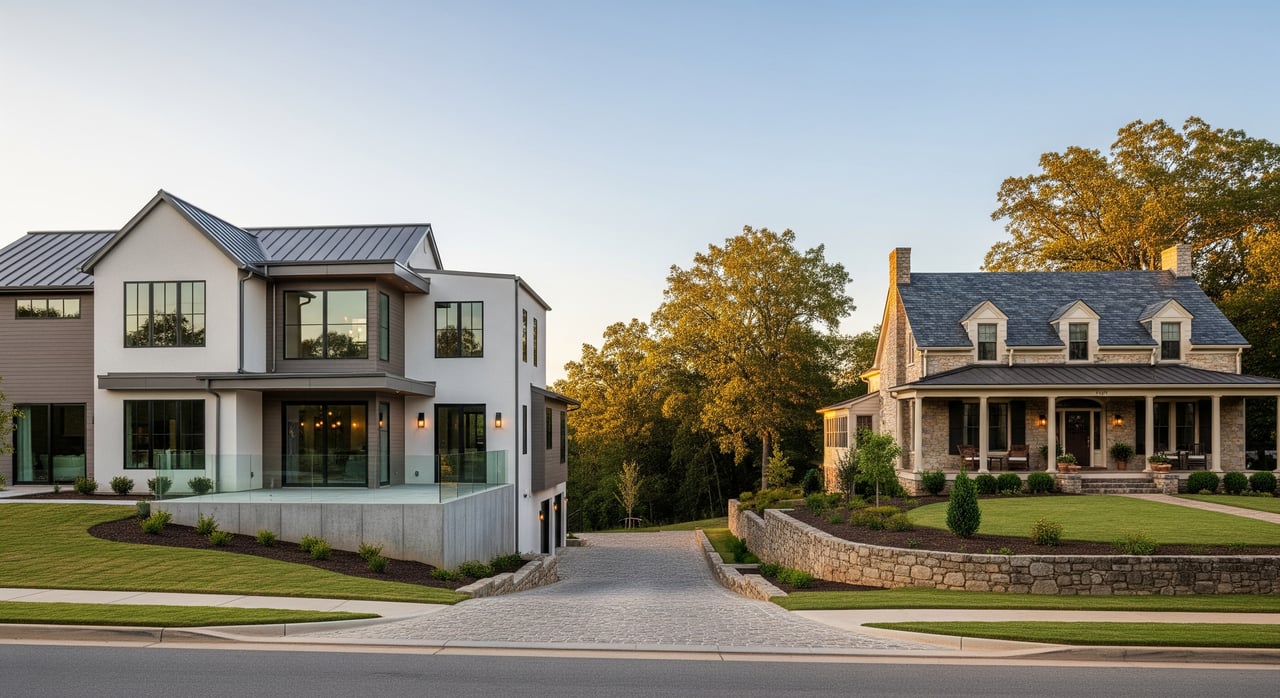
Ready to upgrade your home in Cave Springs but not sure whether to pick a new build or a resale? You are not alone. Move-up buyers often weigh timelines, costs, warranties, and neighborhood feel before they commit. In this guide, you will learn how each option works in Cave Springs, what to expect at every step, and how to tour and negotiate with confidence. Let’s dive in.

Cave Springs context

Cave Springs sits in Benton County within Northwest Arkansas, close to major job centers and highways. That access drives steady demand for both new construction and resale homes. Rapid population growth in the region has also influenced lot supply, builder activity, and competition. As you explore options, confirm commute routes, subdivision plans, and any local utility or infrastructure details that could affect your choice.

New construction: what to expect

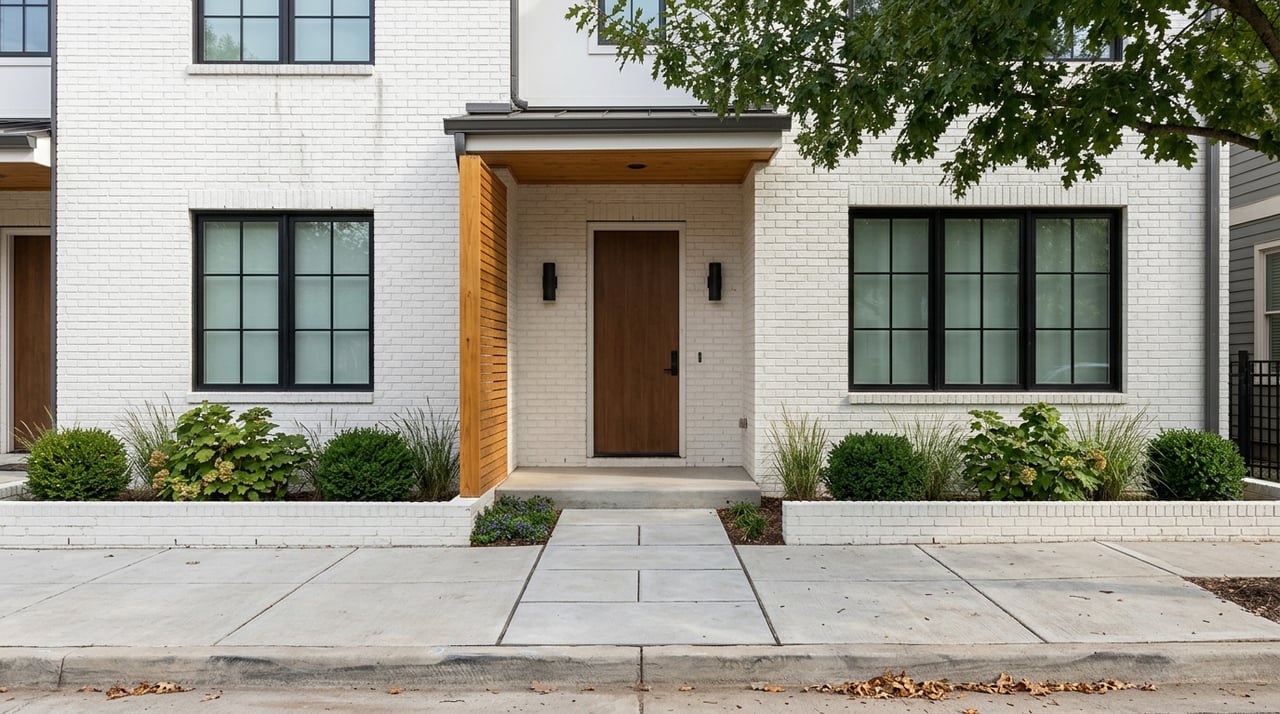
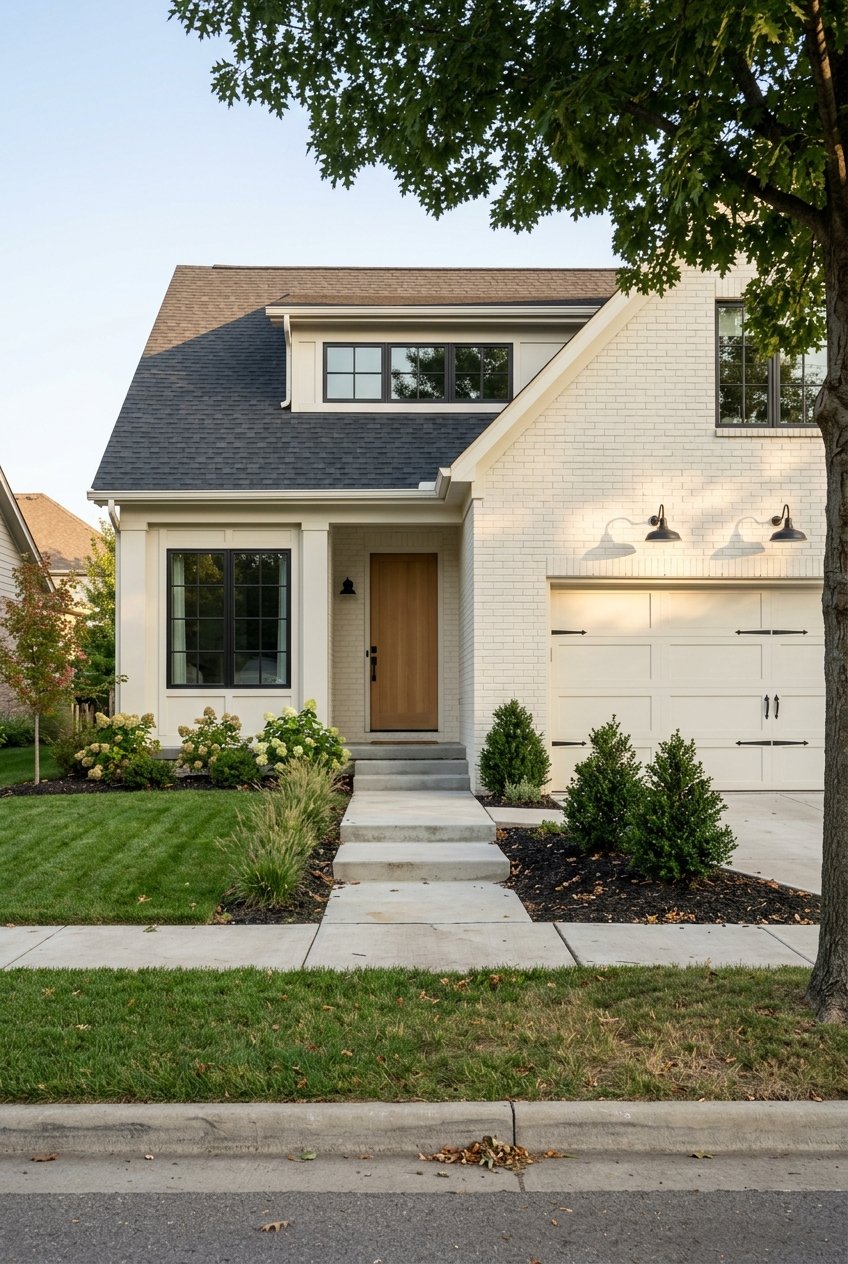
New builds come with a clear structure for pricing: base price, lot premium, and any upgrades you choose. You typically pay more per square foot than many resales, but you gain modern layouts, energy efficiency, and minimal near-term repairs. Builders sometimes offer incentives, such as rate buydowns or closing cost help, that can improve the overall value.

Build timelines for many production homes often range from about 4 to 9 months after permits and lot readiness, while custom projects can run longer. Contracts usually include conditional timelines because schedules can shift due to weather or supply. Plan for flexibility and confirm how delays are handled in writing.

Financing on new construction may involve a standard mortgage for a move-in-ready home or a construction-to-permanent loan for a custom build. Appraisals often rely on recent comparable sales in the same community. If there are few comps, plan ahead for potential appraisal challenges and choose a lender familiar with local builders.

With new construction you usually receive a builder warranty. Many follow a common format: one year for workmanship and materials, about two years for systems like HVAC and plumbing, and a 10-year structural warranty for major load-bearing defects. You will do a final walkthrough and punch list, and it is smart to hire independent inspections at key stages like pre-drywall and final.

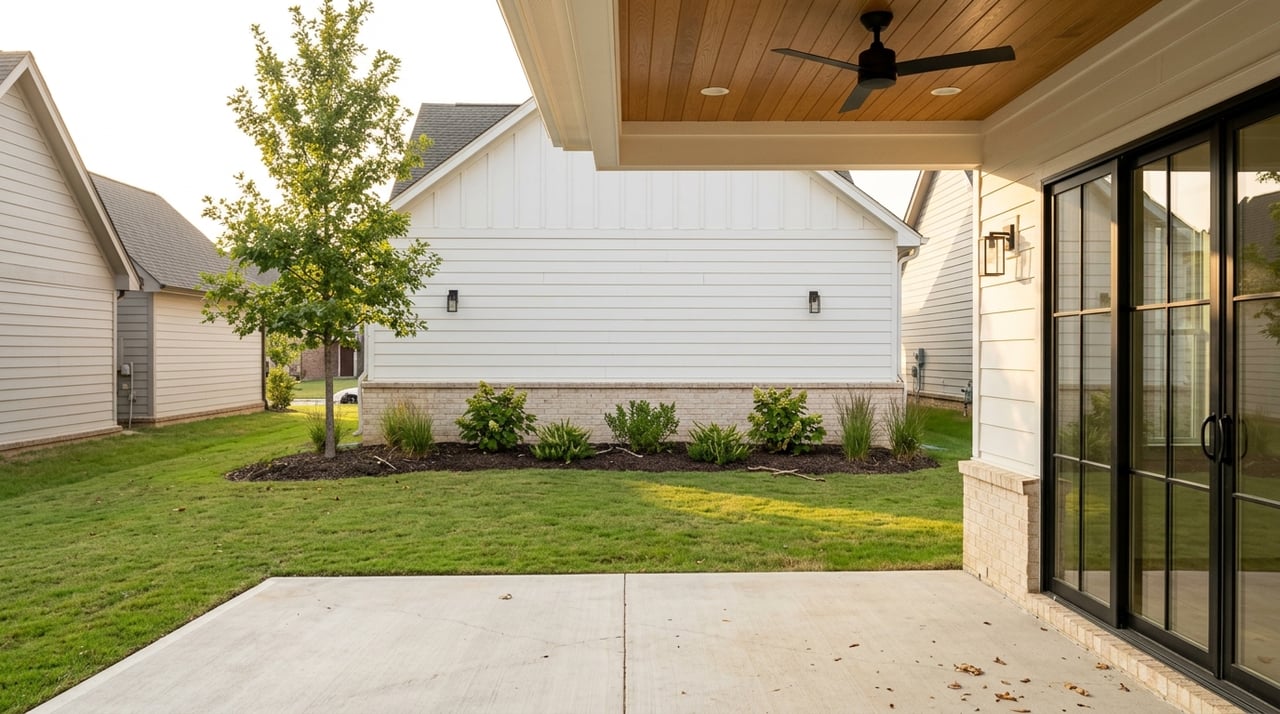
Neighborhoods of new homes can offer planned amenities and consistent design standards. Expect less mature landscaping and the chance of nearby construction for a while. Privacy and tree canopy usually improve as the subdivision matures.

Resale homes: what to expect

Resale pricing reflects age, condition, updates, and lot maturity. Many resales offer a lower price per square foot than new builds, and the landscaping and trees provide an immediate sense of place. You may face near-term repairs or system replacements, such as roof, HVAC, or water heater.

Resale timelines are usually faster, often closing within 30 to 60 days depending on financing and inspections. If you need to sell first, build in a contingency or align the two transactions carefully. Standard financing options like conventional, FHA, and VA are common, and appraisals rely on neighborhood comparables.

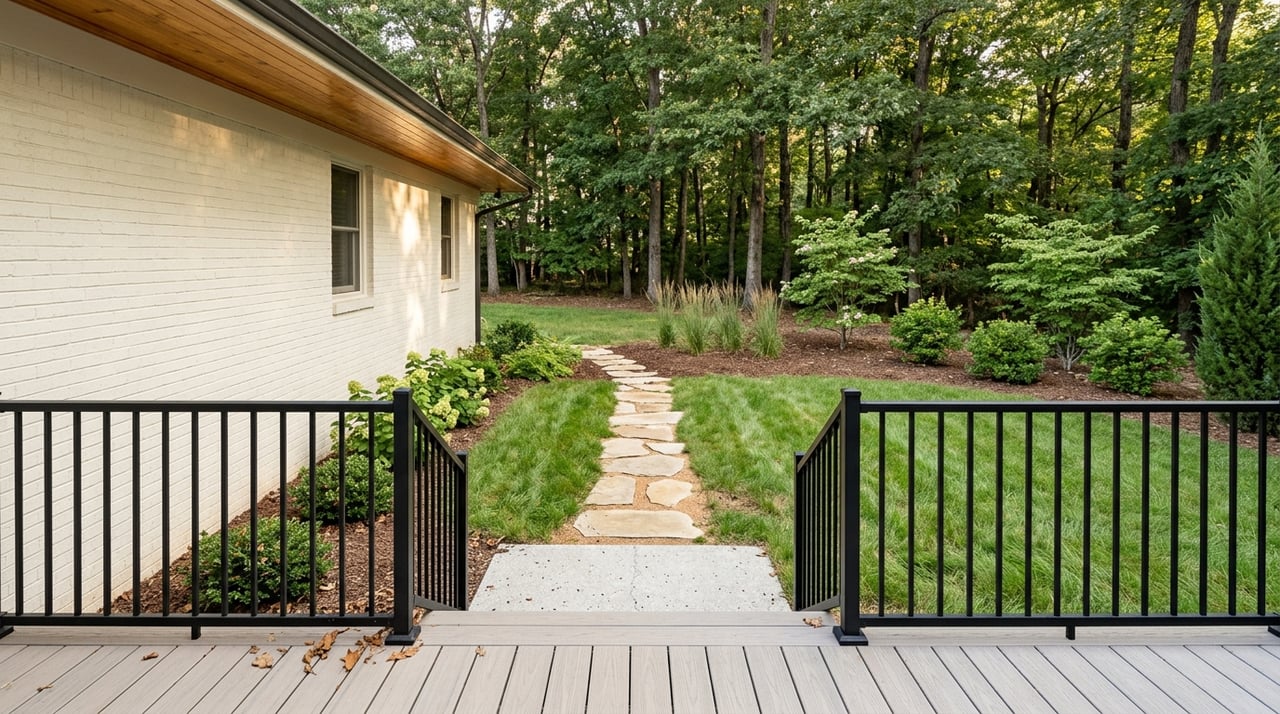
Resales do not include a builder warranty unless the seller provides one or you purchase a separate home warranty. Always get a full home inspection and consider specialty inspections based on the property type. In established neighborhoods, you gain mature landscaping and an established community feel, but you may also see varied maintenance levels across nearby homes.

Costs and value

  • New construction cost drivers: base price, lot premium, upgrade selections, site work, and builder fees. Incentives may offset some costs depending on the market.
  • Resale cost drivers: age, condition, prior updates, and lot quality. Larger, mature lots can support long-term value if the home is well maintained.
  • Operating costs: new homes often deliver energy efficiency and reduced near-term maintenance. Older homes may need repairs sooner, so budget accordingly.

Timeline and financing

  • New build timeline: plan for months rather than weeks. Allow time for permits, weather, and material availability. Consider longer rate locks or builder buydown programs if rates are a concern.
  • Resale timeline: plan for about 30 to 60 days to close, depending on your loan type and inspection contingency.
  • Lender selection: pick lenders who understand construction loans and local builder processes for new builds. For resales, work with a lender skilled in local appraisals and on-time closings.

Design and renovation

Your finish selections in a new build drive both cost and long-term appeal. Focus on the high-impact areas buyers value most, such as kitchens, primary baths, and flooring. Confirm which features are standard and which are upgrades, then compare the total value against your budget.

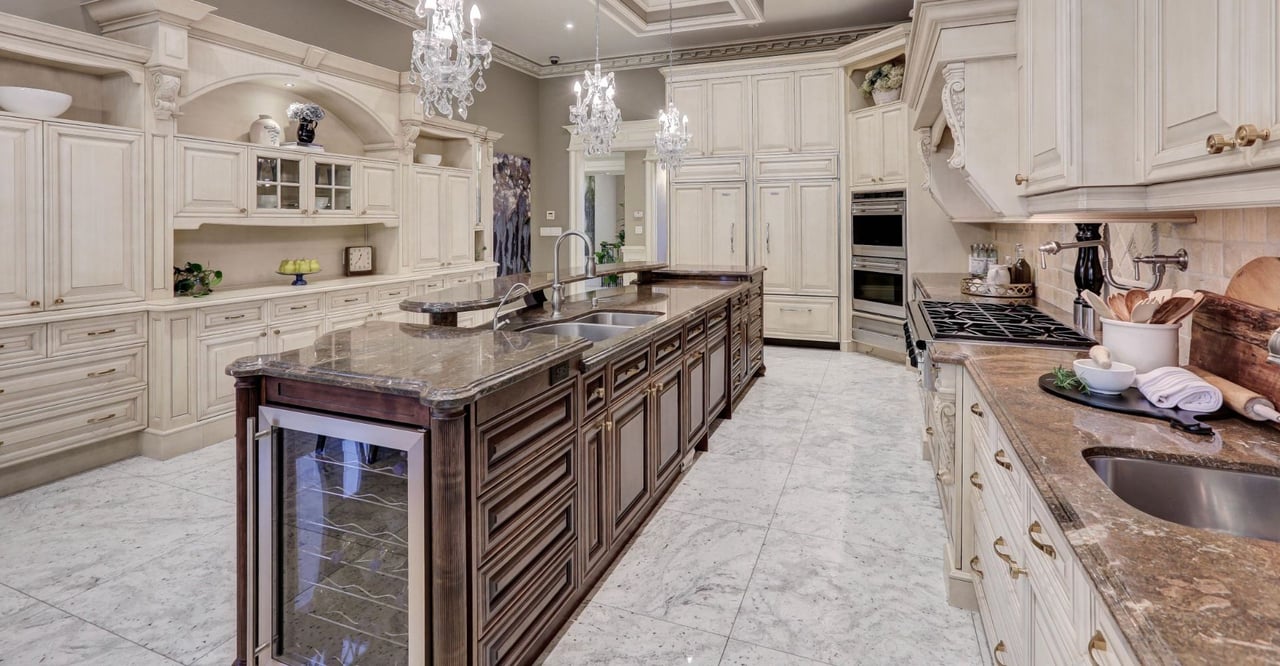
With resales, a well-planned cosmetic refresh can transform the home. Paint, lighting, hardware, countertops, and tile deliver strong impact without a full gut. Prioritize fixes that improve functionality and daily experience. If you plan a larger remodel, confirm permits, timeline, and living arrangements during construction.

Decision framework

Use these axes to guide your choice:

  • Time sensitivity: do you need to move within 60 days or can you wait 6 to 12 months?
  • Renovation tolerance: are you comfortable managing updates, or do you prefer turnkey?
  • Lot priorities: do you want mature trees and privacy now, or can you establish landscaping over time?
  • Financial flexibility: can you handle upgrades, temporary housing, or construction loan complexity if needed?
  • Long-term outlook: do you value established neighborhood character, or do you want the growth potential of a newer community?

Quick comparison checklist:

  • Move-in timeline: new build is variable and often months; resale is typically 30 to 60 days.
  • Negotiation: new build has more leverage on incentives or upgrades; resale can offer price and repair negotiations.
  • Inspections: new build benefits from staged inspections; resale requires a comprehensive inspection and possible specialty tests.
  • Warranties: new build usually includes multi-year coverage; resale has none unless provided.
  • Maintenance: new build has lower near-term costs; resale depends on age and condition.
  • Community maturity: new build is emerging; resale is established.

Touring tips

Tour new construction

  • Before you visit: ask for the community plat, sample contract, and a written features list showing standard items versus upgrades.
  • On site: review lot orientation, grading, drainage, and any visible easements. Confirm build timeline, change-order rules, and upgrade pricing in writing.
  • Energy and systems: ask about insulation R-values, HVAC SEER rating, window performance, and any estimated energy costs.
  • Inspections: plan independent inspections at pre-drywall and final. Confirm your right to do so in the contract and set clear timelines for punch-list completion.

Tour resale homes

  • Exterior and structure: check roof age, drainage, siding, and visible foundation cracks. Look for standing water and tree roots near the foundation.
  • Systems: check HVAC age and service records, water heater, plumbing fixtures, and electrical panel capacity.
  • Interior: test windows and doors, note odors or signs of moisture or mold, and review any past renovation permits.
  • Specialty checks as needed: sewer scope, septic and well inspections, radon test if relevant, and termite or pest inspection.

Contracts and negotiation

  • New construction: clarify delay rights and penalties, deposit handling, and warranty claim process. Leverage incentives by asking for closing costs, rate buydowns, or specific upgrades rather than a price cut.
  • Resale: use inspection findings to negotiate repairs or credits. Confirm clear title, survey needs, and any outstanding assessments or HOA items.

Local due diligence

In Cave Springs and greater Benton County, confirm the details that can shape your experience and costs:

  • School district assignment for your exact address. Verify official boundaries through the district.
  • Water and sewer provider, or septic and well requirements for certain lots.
  • Zoning and planned developments via city or county planning to understand nearby growth.
  • Floodplain status using FEMA resources and local drainage patterns for the parcel.
  • HOA dues, design rules, and any new-community start-up fees.
  • Current comparables and days-on-market trends through local MLS sources.

Putting it all together

A new build in Cave Springs can be ideal if you want efficient systems, modern layouts, and the chance to personalize finishes, and you have time and budget flexibility for a longer timeline. A resale can be the right fit if you want an established neighborhood, mature landscaping, faster closing, and the option to direct funds toward selective updates.

If you would like help weighing these trade-offs, prioritizing design choices, or mapping a realistic timeline, reach out. With local market knowledge and design-forward guidance, you can make a confident move that fits your lifestyle and budget.

Ready to compare specific new communities and resales in Cave Springs, plan finish selections, or map an update strategy for a home you love? Connect with Sammie Beaver for a personalized plan.
FAQs

What makes new construction cost more in Cave Springs?

  • Lot premiums, upgrade selections, and builder fees drive higher upfront costs. Incentives like closing help or rate buydowns can offset some of this depending on market conditions.

How long does a new build usually take?

  • Many production builds run about 4 to 9 months after permits and lot readiness, while custom projects can take 6 to 12 months or more depending on scope and conditions.

Do I still need inspections on a new home?

  • Yes. Independent inspections at pre-drywall and final help catch issues that may not be visible later, and provide a clear punch list for the builder to address.

What warranties come with a new build?

  • Many builders offer a structure that includes one year for workmanship and materials, about two years for systems, and a 10-year structural warranty for major load-bearing defects.

How fast can I close on a resale home?

  • Resale transactions often close within 30 to 60 days, depending on your financing, inspection timeline, and title work.

Work With Sammie

Whether you're buying, selling, building, or simply exploring your options, I’m here to offer personalized guidance, creative insight, and local expertise every step of the way.