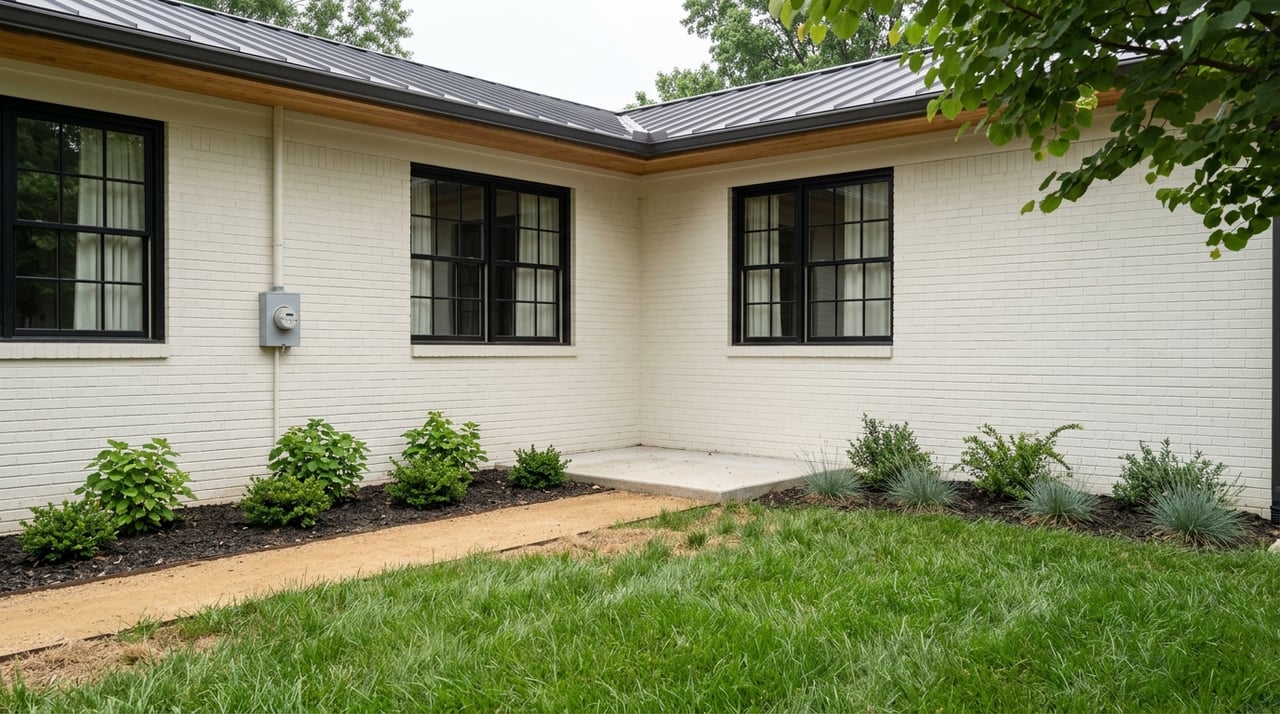
Buying Land in Centerton: Questions to Ask First
May 21, 2026
May 21, 2026
Buying land sounds simple until you realize one parcel can come with very different rules than the one next door. If you are looking at land in Centerton, you need more than a pretty view and a survey sketch. You need to know what you can build, what approvals may be required, and whether utilities and access are actually in place. Let’s dive in.
Centerton has been growing, and that makes land decisions more layered than many buyers expect. A parcel may be inside the city limits or inside the broader Centerton Planning Area, where subdivision regulations still apply.
That means your questions should go beyond price and acreage. Before you buy, you want clarity on zoning, legal access, utility service, floodplain concerns, and whether the tract was properly created and recorded.
One of the first questions to ask is simple: What zoning district is this parcel in today? Centerton has multiple zoning districts for residential, commercial, industrial, and agricultural uses, and each district can have its own rules.
It is also important to understand what the city’s Comprehensive Plan does and does not mean. The plan includes the Future Land Use Plan, Master Street Plan, and Master Trails Plan, but city records describe it as a policy framework rather than zoning itself.
In plain terms, a future land use label does not automatically mean you can build that use right now. A property may still need rezoning, conditional use approval, or a Planned Unit Development process before your plans can move forward.
If a parcel is zoned A-1, do not assume that means broad flexibility. Centerton describes the A-1 agricultural district as intended to protect flood areas from development.
That does not mean every A-1 parcel is unusable. It does mean you should ask very specific questions about development limits, floodplain conditions, and whether your intended use fits the code.
If you are considering something more flexible or mixed-use, Centerton’s zoning ordinance includes a Planned Unit Development path. The code strongly recommends a pre-application plan and conference before you formally apply.
That early step can help you spot issues before you spend more on planning, engineering, or closing costs. It is especially useful if your idea does not fit neatly into a standard zoning category.
A beautiful piece of land is much less useful if access is unclear. In Centerton, frontage, easements, and plat status can all affect whether a parcel is ready for your plans.
The city’s subdivision rules expect plats and plans to show bordering streets, proposed streets, utilities, setback lines, and site issues such as floodplain, wetlands, and rock outcrops. That tells you how seriously access and layout are treated in the review process.
This is a big one for land buyers. Centerton says plats within its planning-area jurisdiction cannot be accepted for recording unless the Planning Commission approves them.
The code also warns against using metes-and-bounds conveyances to bypass subdivision rules. So if a seller says a tract was split off informally, that should trigger more questions, not fewer.
If you hope to divide the property later, ask about lot split rules now. In Centerton, a divisional lot split is limited to three parcels, including the original tract, and the resulting lots must be at least 2.5 acres with frontage on a public street that meets Master Street Plan standards.
Agricultural lot splits have their own standards. They require 5 acres or more, agricultural use, and frontage on or access to a public road.
Corrective lot splits are also limited in purpose. They are meant for survey or boundary fixes, not for creating a new undersized buildable lot.
Utilities can make or break a land purchase. A tract may look ready from the road, but service availability, approval timing, and connection costs can be very different from what a buyer expects.
Centerton’s subdivision rules require an approved water supply connection for subdivisions in the city. If public sanitary sewer is accessible, each lot must connect. If sewer is not accessible, the developer must provide a community sewage system or individual sewage disposal systems that meet state health standards.
In Centerton, sewer capacity has been an active local issue. A March 25, 2025 letter from Centerton Utilities stated that new projects could not begin construction without written Arkansas Department of Health approval because of sewer-capacity constraints.
The utility agenda in January 2026 still listed sewer collection upgrades, flow monitoring and modeling, and Decatur wastewater treatment plant status as active items. So if sewer service matters to your purchase, ask not only whether service exists, but also whether there is an approval queue, delay, or added review.
If sewer is not available, do not treat septic as automatic. The Arkansas Department of Health’s onsite wastewater program sets statewide policy and works with local environmental health specialists on permit applications.
That means septic approval is a formal public health review. Soil conditions, site layout, and system requirements can all affect whether the parcel will work the way you hope.
Land can look dry on a showing day and still come with serious drainage or floodplain limits. In Centerton, drainage and floodplain review should happen early, not after closing.
The city’s drainage code says the 2022 Stormwater Management and Drainage Manual governs development within the city and its planning jurisdiction. The city also advises buyers and builders to check with Planning or Building before building, filling, altering, or regrading because a permit may be needed.
If the parcel is outside city limits, Benton County rules may apply instead of city rules for floodplain and stormwater. Benton County Planning handles those issues for unincorporated land.
The county requires a Floodplain Development Permit before disturbance in the Special Flood Hazard Area. It also requires stormwater permits for construction in designated areas that disturb 200 square feet or more.
Online maps are useful, but they are only a starting point. Benton County GIS says its map data is a graphical representation and not authoritative for legal, financial, engineering, or site-specific use.
The county assessor’s real estate records are also described as working papers provided as-is. That is why buyers should compare GIS, assessor records, recorder records, title work, and any recorded plat or survey before moving forward.
Property taxes can shift after a transfer. Benton County says real property is assessed at the next assessment date after transfer.
If the land will become your primary residence later, you may also want to ask about the county’s homestead credit, which can be up to $600 for a qualifying primary residence. That will not apply to every land purchase, but it is worth keeping in mind as part of your long-term ownership plan.
Before you close on land in Centerton, try to get clear answers to these points:
Land can offer flexibility, but it also leaves more room for costly surprises. The right questions can help you avoid buying a parcel that looks promising on paper but does not support your actual goals.
If you are buying acreage, a homesite, or land with future potential in Centerton, local guidance matters. A careful review of zoning, access, utilities, and records can save you time, money, and frustration before you ever get to the building stage.
If you are thinking about buying land in Centerton or anywhere in Northwest Arkansas, Sammie Beaver can help you evaluate the details, ask the right questions, and move forward with more confidence.


Whether you're buying, selling, building, or simply exploring your options, I’m here to offer personalized guidance, creative insight, and local expertise every step of the way.

Address
809 S 52ND ST
ROGERS AR 72758