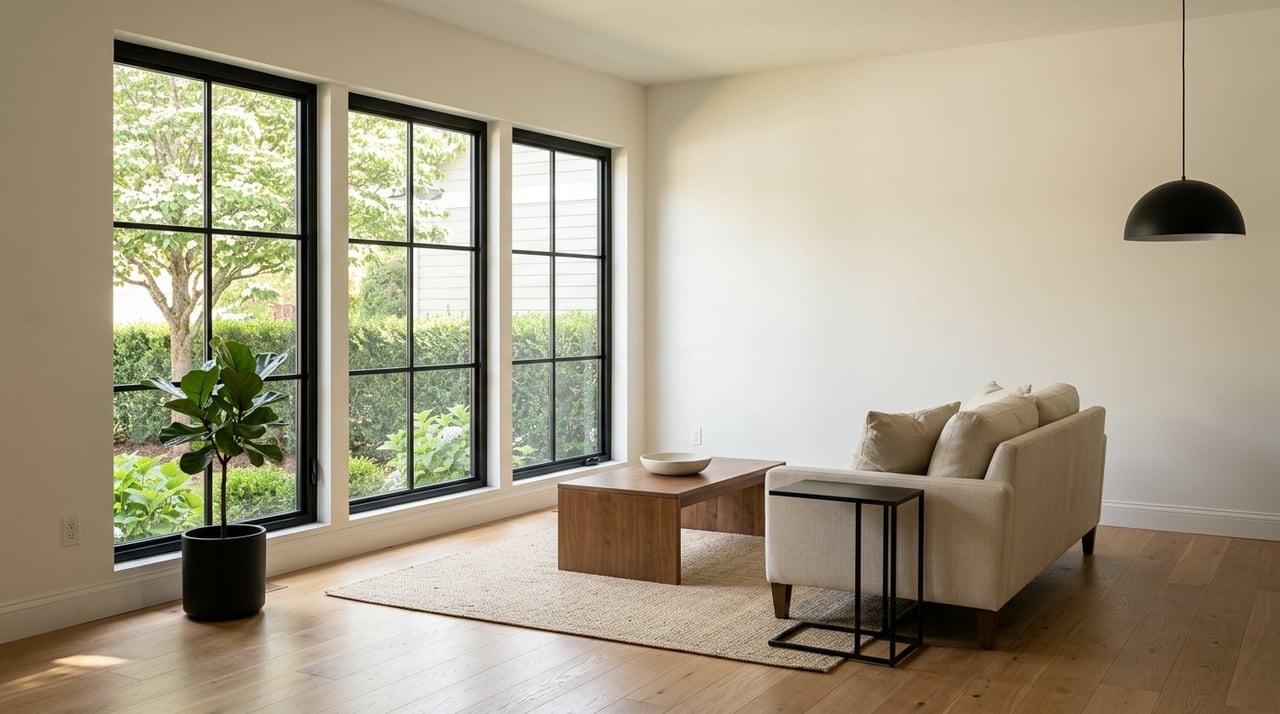
Centerton Move Up Seller Guide for Selling and Buying
July 2, 2026
July 2, 2026
If you’re trying to move up in Centerton, the hardest part usually is not deciding whether to make a move. It is figuring out how to sell your current home and buy the next one without creating a financial or timing mess. In a market that has cooled from peak conditions, you need a plan that balances pricing, preparation, financing, and deadlines. Let’s dive in.
Centerton is still growing fast, and that growth shapes local housing demand. The U.S. Census Bureau estimated the city at 27,176 residents as of July 1, 2025, and regional projections show continued growth through 2050. For move-up sellers, that means demand can stay active even when the market feels slower than it did a year or two ago.
At the same time, today’s market looks more measured than frenzied. Zillow reported a typical Centerton home value of $350,769 as of May 31, 2026, along with 122 active listings and 43 new listings, while Redfin reported a recent median sale price of $409,755 and 92 median days on market. Benton County data from the Northwest Arkansas Board of REALTORS® also showed an average residential sales price of $469,356 and 50 average days on market in May 2026.
The takeaway is simple: you should not assume your current home will sell instantly. If you are coordinating a sale and a purchase, a realistic timeline matters just as much as your next-home wish list.
Before you tour homes or set a listing date, decide which path fits your finances and risk tolerance. Most move-up sellers fall into one of three categories. Each option can work, but each comes with tradeoffs.
For many homeowners, this is the cleanest route. The Consumer Financial Protection Bureau says people who want to move will normally try to sell their current home before buying another one.
Selling first can reduce the chance that you will carry two mortgages at once. It also gives you a clearer picture of your actual net proceeds before you commit to your next purchase. The downside is that you may need temporary housing if your next home is not ready in time.
This option can work if your financing is strong and your lender approves the structure. Fannie Mae guidance allows lenders to consider bridge or swing loans in some situations, as long as the bridge loan is not cross-collateralized against the new property and the borrower can carry the full set of obligations.
That means your lender may look closely at your income, monthly debts, cash reserves, and the expected proceeds from your current home. If you need those proceeds for the new purchase, the lender may require verification of the actual net proceeds before or at the same time as your new-home closing.
A third option is to buy with conditions built into your offer. The CFPB recommends financing and inspection contingencies, and sales contracts can also address a buyer’s need to sell a current home before purchasing another one.
In Centerton, a sale contingency may be more realistic than it was in a hotter seller’s market. Still, acceptance depends on the seller’s timeline, your financing strength, and the available inventory at that moment.
For many move-up sellers, the real question is not timing alone. It is whether you need equity from your current home to fund the next one. That one detail can shape everything from your list price to your contract dates.
If your down payment and closing costs depend on selling first, your plan needs to be especially organized. Fannie Mae notes that when anticipated sales proceeds are needed for the new transaction, lenders may require documentation showing the actual net proceeds before or simultaneously with the next closing.
That is why it helps to estimate your likely sale proceeds early. You want a practical sense of what you may net after mortgage payoff and transaction costs, so you can search for your next home with realistic numbers.
In a slower market, presentation matters. Buyers still respond to homes that feel clean, cared for, and easy to picture themselves in. Strong prep can also help support your pricing strategy.
The National Association of REALTORS® reported in its 2025 staging survey that 83% of buyers’ agents said staging made it easier for buyers to visualize a property as a future home. More than a quarter of real estate professionals also said staging produced 1% to 10% more in the dollar value offered.
For move-up sellers in Centerton, that matters because homes may take longer to sell than they did during peak conditions. When buyers have more time and more options, details stand out.
You do not always need a full overhaul to make your home show better. Start with the practical changes that help rooms feel larger, lighter, and easier to understand.
NAR’s staging guidance also points to the living room, primary bedroom, and dining room as commonly staged spaces, with the kitchen playing a major role in buyer perception. If you are short on time or budget, those areas are often the best place to focus first.
Arkansas has a few transaction details that are worth handling early. They may not feel exciting, but they can save time when your sale and purchase are happening at once.
The Arkansas Real Estate Commission says Arkansas law does not require every seller to provide a property-condition disclosure. Still, the majority of residential transactions include one, and the Arkansas REALTORS® Association has developed a Seller Property Disclosure form used in many transactions.
Because that form includes close to 60 questions, it is smart to gather your information before your home goes live. Repair history, receipts, warranties, and notes about known issues can help you complete the form more smoothly and avoid a last-minute scramble.
Agency also matters when two transactions need to line up. The Arkansas Real Estate Commission says a seller’s agent’s primary duty is to protect the seller, while a buyer’s agent’s primary duty is to protect the buyer.
If one agent or one firm represents both sides in a transaction, both parties must give written consent to dual representation before or at the time of the agency agreement, listing agreement, or real estate contract. When you are juggling deadlines, financing, and negotiations on both sides, it helps to understand exactly who represents whom from the start.
Even after you are under contract, the final stretch takes coordination. The CFPB says lenders must send the Closing Disclosure at least three business days before closing. That short review period matters because it gives you time to confirm numbers and prepare for the transition.
During that final window, the CFPB also advises consumers to inspect the home, confirm agreed repairs are complete, and make arrangements to transition from the current home to the new one, including utilities. If your sale funds your purchase, this is the stage where timing gets very precise.
A simple moving checklist can help:
Sometimes the best plan still leaves a gap. Your current home may close before your next one is ready, or your purchase may close before you can move everything out of your old place.
A written temporary occupancy arrangement can help bridge that gap. NAR advises using a pre- or post-occupancy agreement that clearly spells out terms and costs if someone stays in the home after closing.
This agreement should also address possession dates, insurance, and lender approval. NAR also notes that many lenders will not accept leasebacks longer than 60 days, so this is something to structure carefully and document in writing.
Every household is different, but a thoughtful move-up plan often follows the same general sequence. The earlier you start, the more options you usually have.
Use this stage to set your budget and prep strategy.
This is when pricing and presentation need to work together.
At this point, your next move becomes more concrete.
Coordinating a sale and purchase is part financial decision, part logistics project, and part market strategy. In Centerton, that means responding to a market that is still active but no longer moving at peak speed. It also means preparing your home well, pricing with discipline, and building enough flexibility into your timeline.
If you want a move-up plan that feels organized instead of overwhelming, working with someone who can help you think through both presentation and timing can make a real difference. If you’re preparing to sell and buy in Centerton, Sammie Beaver can help you evaluate your options, prepare your home to show at its best, and coordinate the details with a clear local strategy.
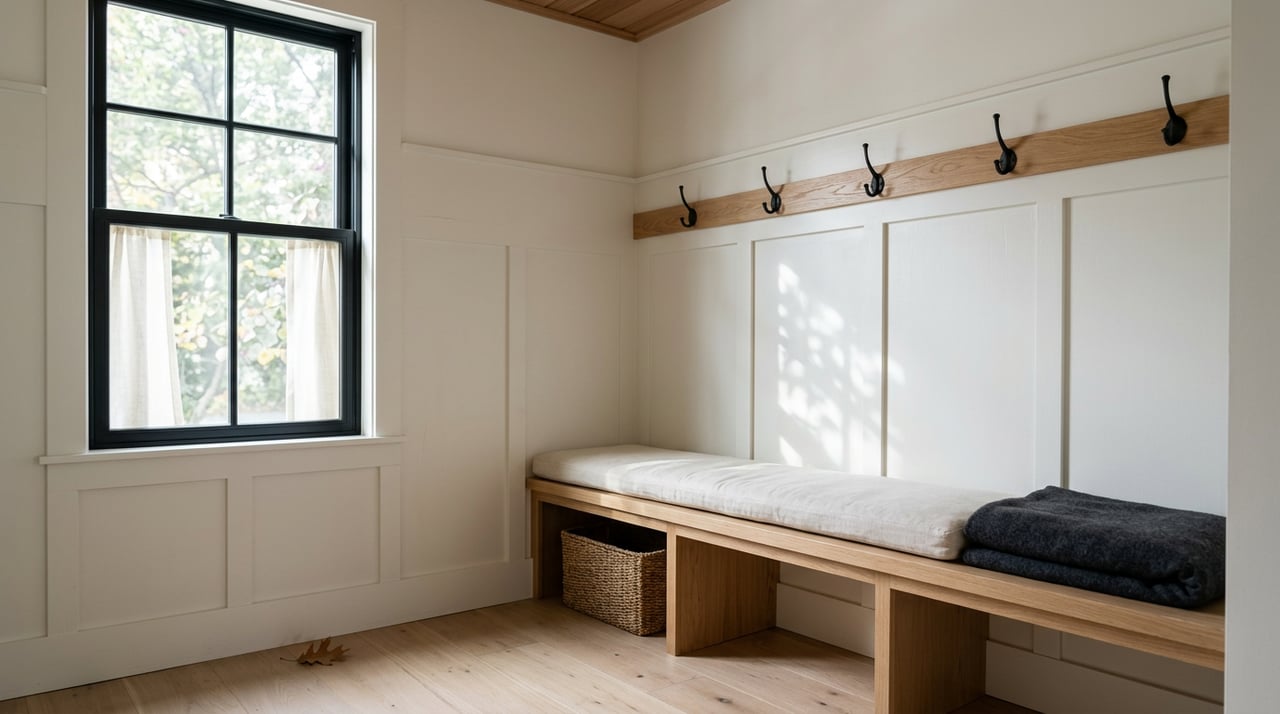

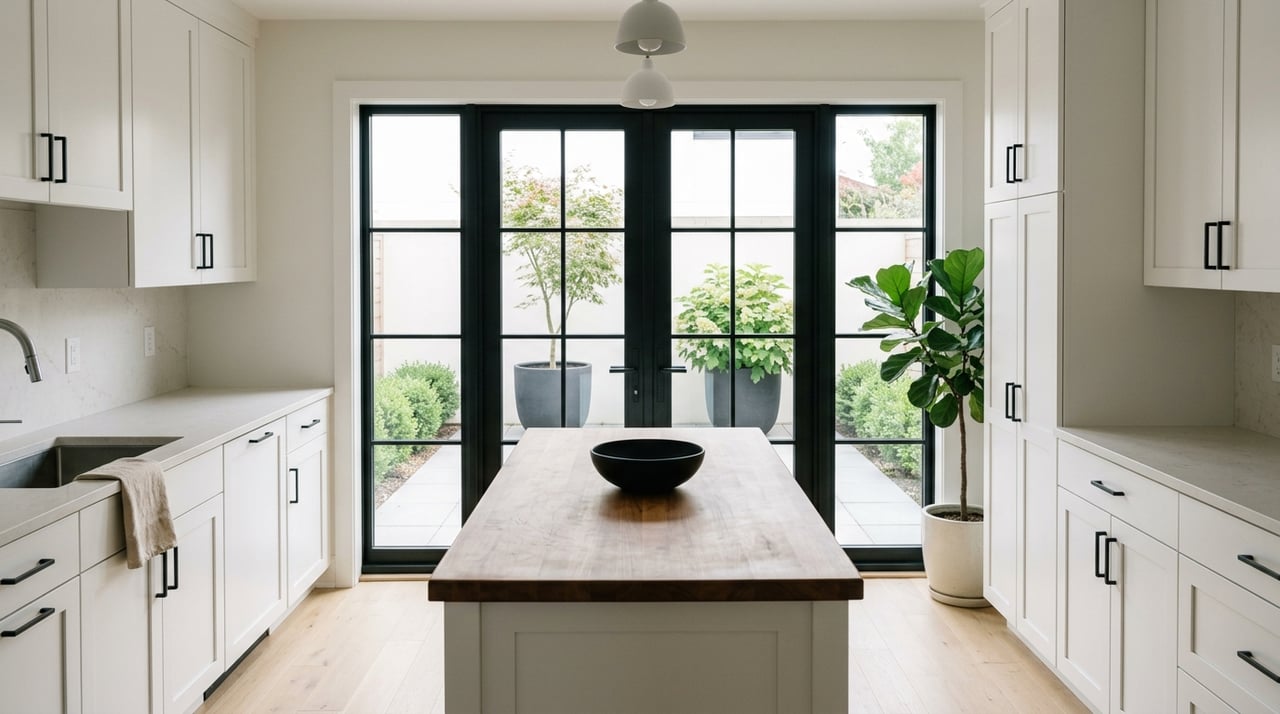
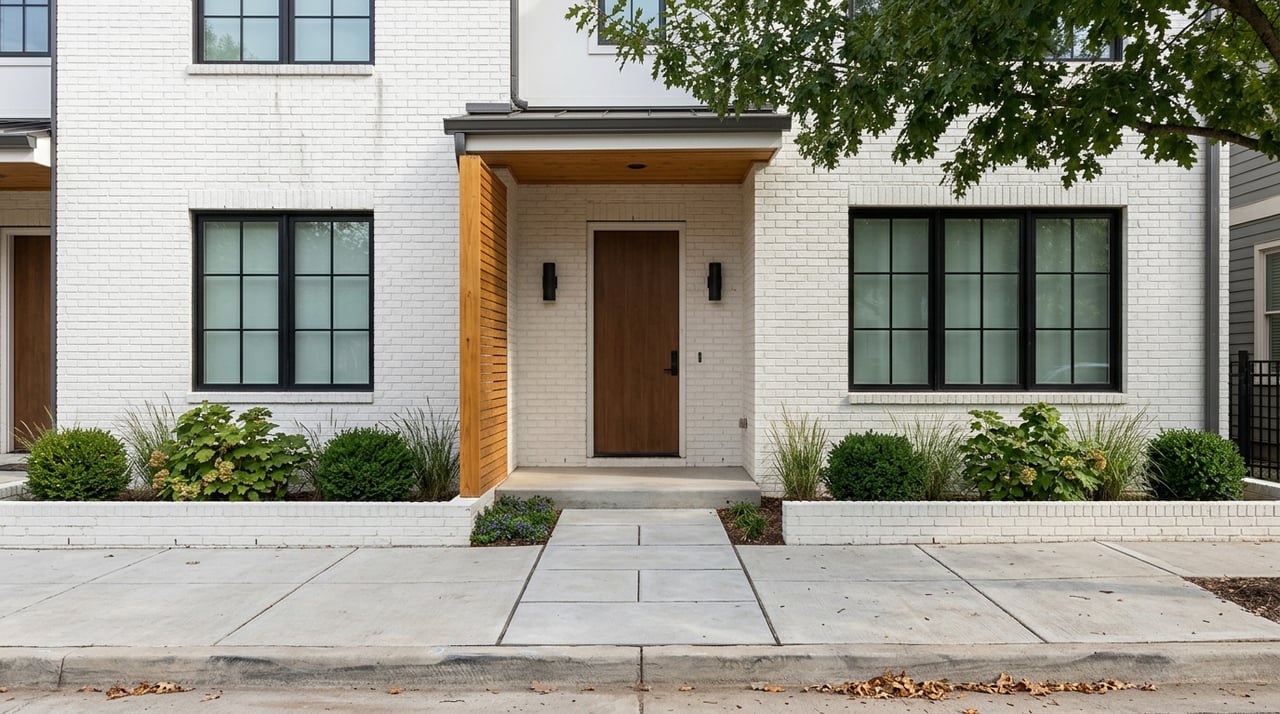
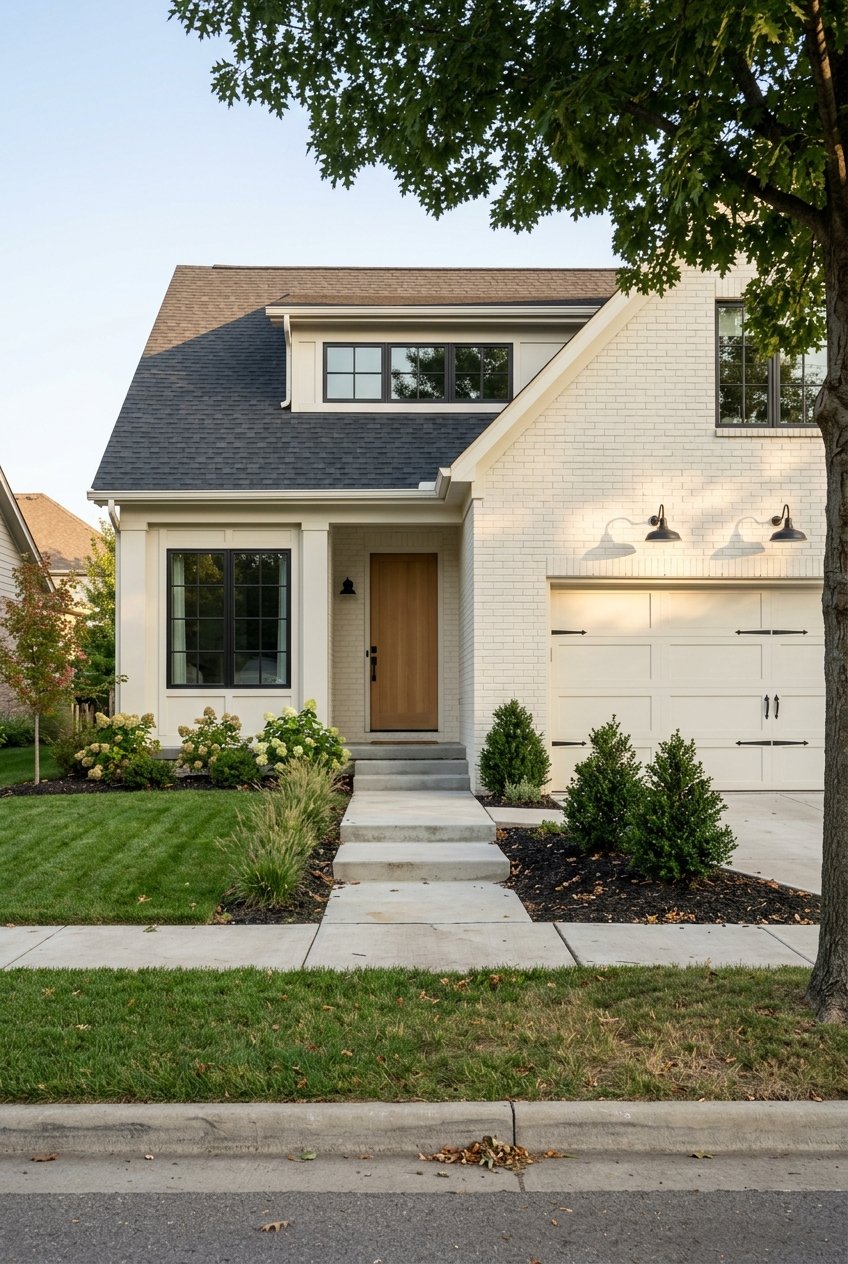
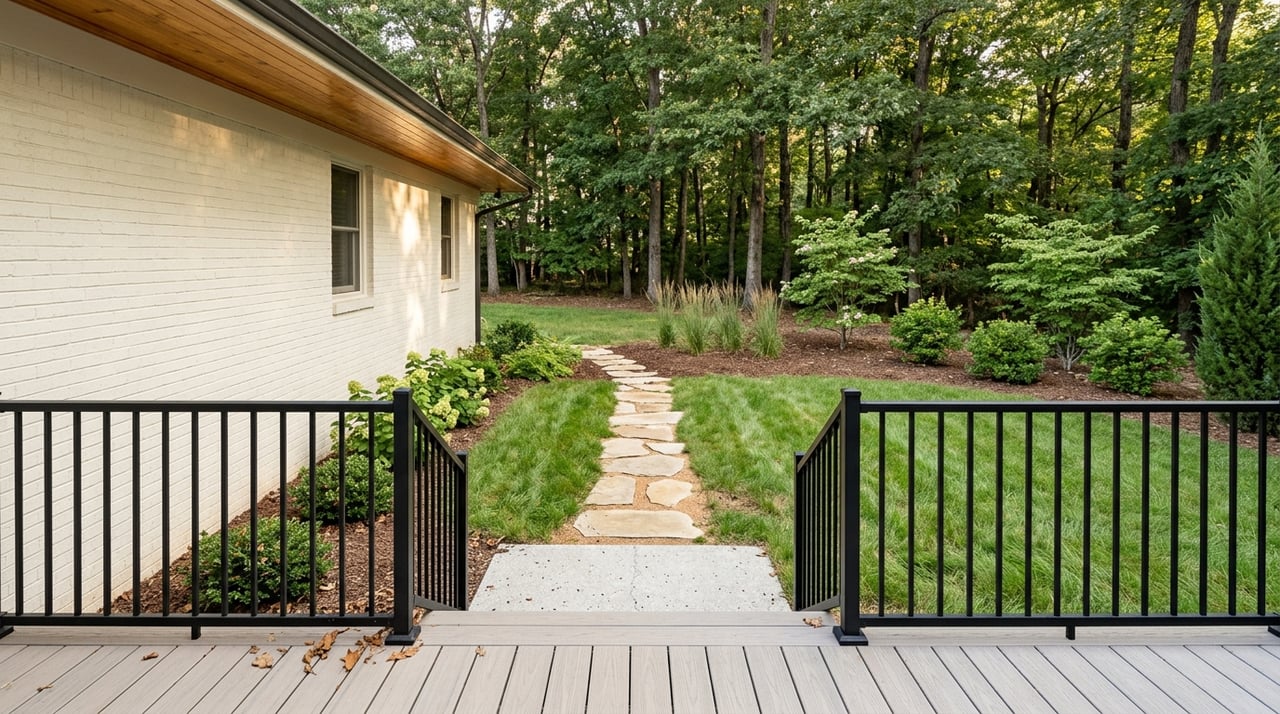
Whether you're buying, selling, building, or simply exploring your options, I’m here to offer personalized guidance, creative insight, and local expertise every step of the way.
Address
809 S 52ND ST
ROGERS AR 72758