Relocating to Northwest Arkansas for Work: Start in Fayetteville
April 23, 2026
April 23, 2026
Thinking about a move to Northwest Arkansas for work? If you want strong access to major employers, a recognizable city center, and a lifestyle that goes beyond the daily commute, Fayetteville deserves a close look. It offers a mix of university energy, established neighborhoods, trails, parks, and practical regional access that can make a relocation feel a lot more manageable. Let’s dive in.
Fayetteville is the second-largest city in Arkansas and the county seat of Washington County. According to the City of Fayetteville, the city is known for the University of Arkansas, arts and nightlife, historic neighborhoods, and outdoor access.
That combination matters when you are relocating for work. You are not just choosing a home near an office. You are choosing how you want daily life to feel once the workday ends.
For many professionals, Fayetteville hits a sweet spot. It gives you access to the broader Northwest Arkansas economy while offering a more established, university-oriented setting than some other parts of the region.
Northwest Arkansas is growing quickly, and that shapes almost every relocation decision. The Northwest Arkansas Council says the metro had 605,615 residents and could reach 1 million by 2050.
That growth is tied to a strong regional employment base. The same source identifies Walmart, Tyson Foods, J.B. Hunt, and the University of Arkansas as major anchors of the local talent pipeline.
Fayetteville gives you a practical base inside that larger economy. If your job is in Fayetteville, Springdale, Lowell, or even farther north along key corridors, the city can offer a useful mix of access and lifestyle.
One of the biggest questions relocators ask is simple: Will Fayetteville make my work life easier? In many cases, yes.
If you work for the University of Arkansas, Fayetteville is the obvious place to start. The university reported record 2025 enrollment and a $3 billion annual economic impact, which reinforces its role as one of the region’s biggest institutions.
If your employer is elsewhere in Northwest Arkansas, commute patterns often depend on a few major roads rather than a dense street grid. The City of Fayetteville’s Highway 112 information notes that Highway 112 is a major north-south arterial connecting Interstate 49 to the north with Highway 71 to the south.
That is helpful context if you expect to commute through the metro. Fayetteville works especially well for people who want to live in the southern part of the NWA corridor while staying connected to jobs spread across Fayetteville, Springdale, Lowell, and beyond.
Relocation is easier when the basics make sense. Fayetteville’s Census QuickFacts report a mean travel time to work of 18.5 minutes, which gives you a useful directional benchmark.
That does not guarantee your exact commute, of course. But it does suggest that Fayetteville can support a workable daily routine for many professionals.
Another plus is mobility choice. The city’s transportation page says Fayetteville has more than 45 miles of biking and walking trails, aims for trail access within a half mile of every resident, and is served by both Ozark Regional Transit and Razorback Transit.
That makes Fayetteville unusually appealing if you want at least some chance to live a little lighter on your car. If you are near downtown or the university area, that flexibility can be even more realistic.
If your work involves regular flights, regional airport access can make a big difference. Northwest Arkansas National Airport says it averages about 50 flights a day to 27 destinations.
For many relocating professionals, that is a meaningful advantage. You can build your home base in Fayetteville and still stay connected to clients, offices, or family in other markets.
Fayetteville is not a bargain market, and it is important to set expectations early. The city’s housing page says housing stock has not kept pace with growth, which has contributed to low vacancy and rising costs.
The city also estimates that more than 1,000 additional housing units per year are needed to keep up with population growth. In plain terms, this is an active market where preparation matters.
Current Census QuickFacts for Fayetteville show a median owner-occupied home value of $349,600, median gross rent of $1,065, and median household income of $62,695. Those numbers are best used as market context, not as a promise of what any specific home will cost.
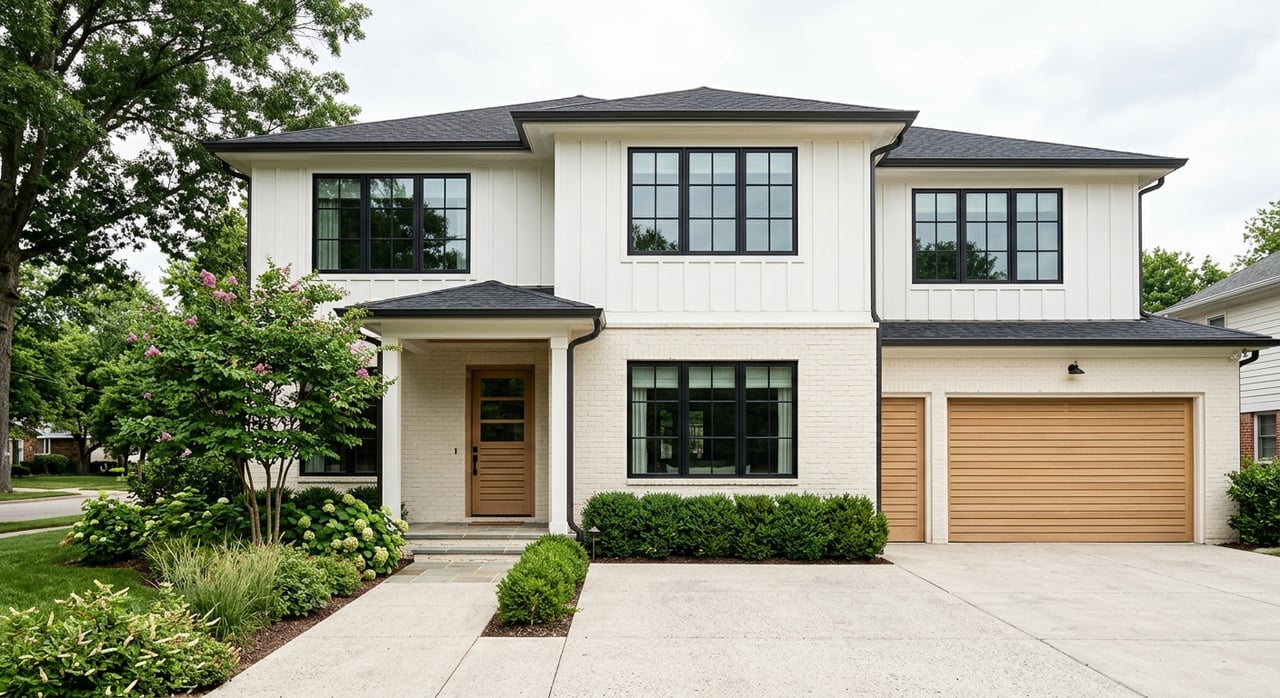
A big reason Fayetteville appeals to relocators is variety. You can find different home styles, neighborhood settings, and day-to-day experiences depending on where you focus your search.
According to the city’s historic preservation information, Fayetteville recognizes 11 historic districts, including Dickson Street, Mount Nord, Washington-Willow, Wilson Park, Mount Sequoyah, and the University of Arkansas Campus Historic District. The city also notes older neighborhood context in areas such as University Heights and Haskell Heights.
On the other hand, city planning materials also point to newer growth pressure and larger single-family neighborhoods along the Wedington corridor. That gives buyers a meaningful choice between older in-town character and newer suburban-style housing.
If you are relocating, that range can be especially helpful. Some buyers want walkability, mature streetscapes, and architectural character. Others want newer layouts, more predictable floor plans, or easier renovation planning.
If you are moving for work, you may also be comparing Fayetteville with Bentonville, Rogers, or Springdale. The numbers below help show Fayetteville’s position in the regional mix.
| City | Population | Median owner-occupied home value | Median gross rent | Mean travel time to work |
|---|---|---|---|---|
| Fayetteville | 103,134 | $349,600 | $1,065 | 18.5 min. |
| Bentonville | 61,791 | $428,500 | $1,344 | 19.0 min. |
| Rogers | 75,639 | $308,200 | $1,270 | 18.2 min. |
| Springdale | 89,368 | $261,800 | $1,071 | 19.3 min. |
Source data: Fayetteville Census QuickFacts, Bentonville Census QuickFacts, Rogers Census QuickFacts, and Springdale Census QuickFacts.
As a general takeaway, Fayetteville sits near the middle of the region’s cost curve. It appears more expensive than Springdale on owner-occupied housing, less expensive than Bentonville, and fairly close to Rogers on commute time.
Lifestyle is where the differences become more noticeable. The research suggests Fayetteville is best framed as the option for professionals who want work access plus university culture, outdoor recreation, and neighborhood character. Bentonville tends to read as the more premium corporate market, Rogers as a balanced middle-ground, and Springdale as a more value-oriented option.
Fayetteville is often a strong starting point if you want:
The City of Fayetteville parks system includes 60 parks, which adds to the city’s everyday livability. Combined with downtown amenities and trails, that can make the transition into a new city feel smoother.
If you are planning a work move to Fayetteville, a few practical steps can help you narrow your search faster.
Start with where you need to be most often. If your work is centered in Fayetteville, you may want to look more closely at in-town and campus-adjacent areas, west-side growth corridors, or neighborhoods with easier access to Highway 112 and I-49.
Some buyers focus almost entirely on square footage and price. Others care just as much about trail access, a more walkable core, or the feel of an established neighborhood.
Knowing which camp you are in helps you make better trade-offs. In Fayetteville, that is especially important because the housing options can feel quite different from one area to the next.
Because housing supply has not kept pace with growth, it helps to enter the market with clear priorities. You will likely make better decisions if you know what is essential, what is flexible, and where updates or design potential could create long-term value.
That is also where local guidance matters. A home that needs cosmetic work may be a stronger fit than it first appears if the layout, location, and improvement path make sense.
Relocation is not just about finding a house online. It is about understanding which part of Fayetteville lines up with your commute, your budget, and the way you want to live.
That can mean comparing older in-town homes with newer west-side options. It can also mean spotting where thoughtful updates, staging vision, or renovation potential may help you buy with more confidence.
If you are relocating to Northwest Arkansas for work, starting with Fayetteville can give you a smart balance of access, character, and lifestyle. When you are ready to talk through neighborhoods, commute patterns, and what kind of home fits your move, connect with Sammie Beaver for personalized guidance across Northwest Arkansas.


Whether you're buying, selling, building, or simply exploring your options, I’m here to offer personalized guidance, creative insight, and local expertise every step of the way.
Address
809 S 52ND ST
ROGERS AR 72758